On 22 August the fifth edition of Uganda's biggest sports-tourism event took over Kasese — 20,000 runners, 43 countries, a 4am start at the Equator, and a course record. One of our own was on the organising committee. Here is how the weekend actually went, and what to do differently next year.
Kasese is a mountain town. It sits at the foot of the Rwenzori ranges, close enough that on a clear morning the peaks look like something painted onto the sky. For most of the year it is quiet.
For one weekend in August, it is the loudest place in Uganda.
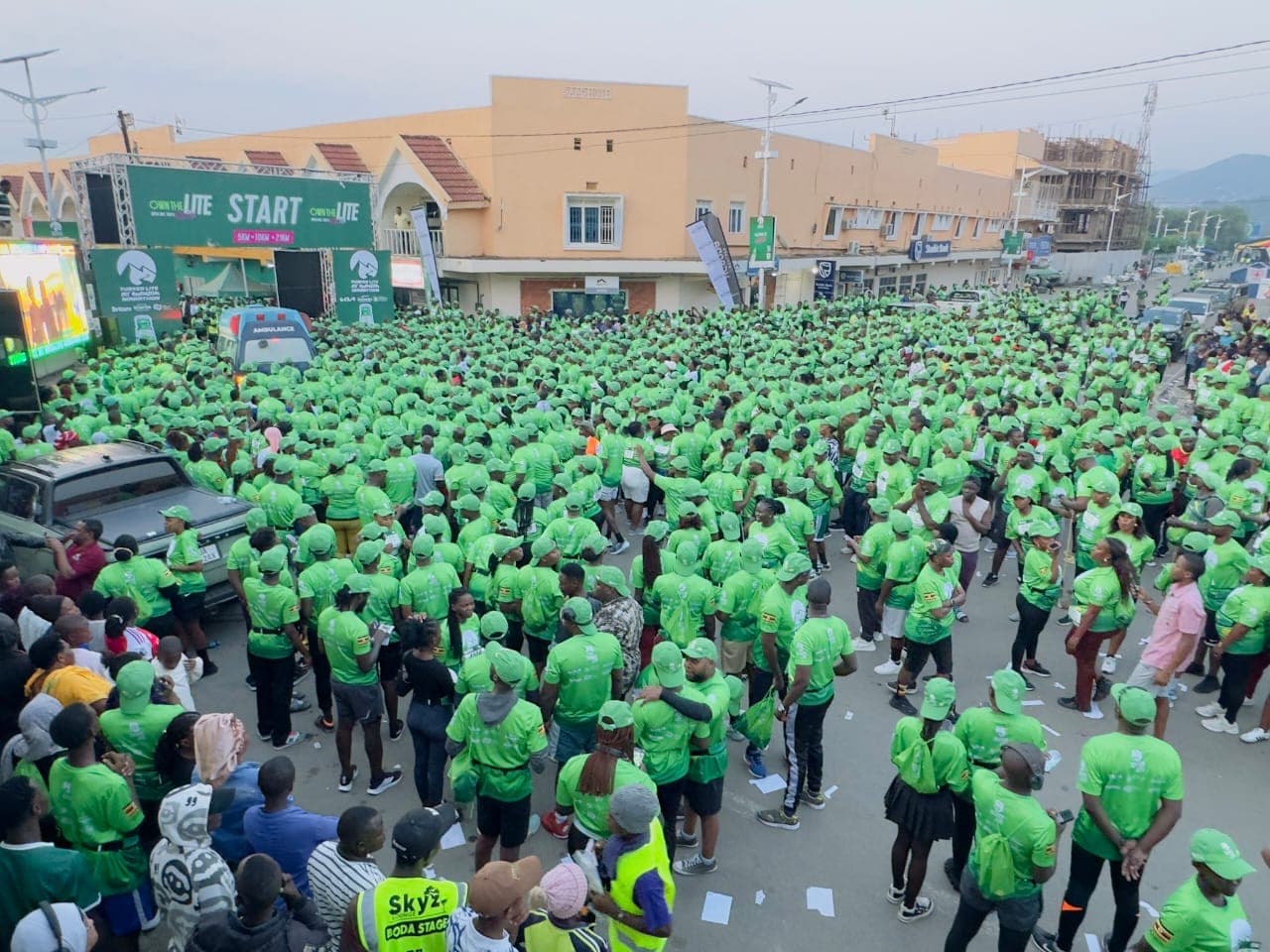
On 22 August, the fifth edition of the Tusker Lite Mt Rwenzori Marathon took over the town — Uganda's biggest event of sports tourism, and by some distance. Everbased had representatives on the ground; one of us sat on the organising committee. So this is not a press release. This is what the weekend was actually like.
Two Roads to Kasese
You get there one of two ways, and Ugandans will argue about which is better for as long as you let them.
The Mubende road runs more forested, especially once you are past Mubende town itself — a green tunnel of a drive that closes in around you. The Mbarara road goes through Ankole kingdom country and is roughly 50km longer, but the scenery is, frankly, to die for: open hills, long views, the kind of drive where you keep meaning to stop for photographs and keep not stopping because the next bend is better.
There is no right answer. It depends entirely on whether you would rather drive through a forest or across a landscape.
A Town Booked Solid
The marathon has done exactly what it set out to do, which is a polite way of saying that finding a bed is now genuinely hard.
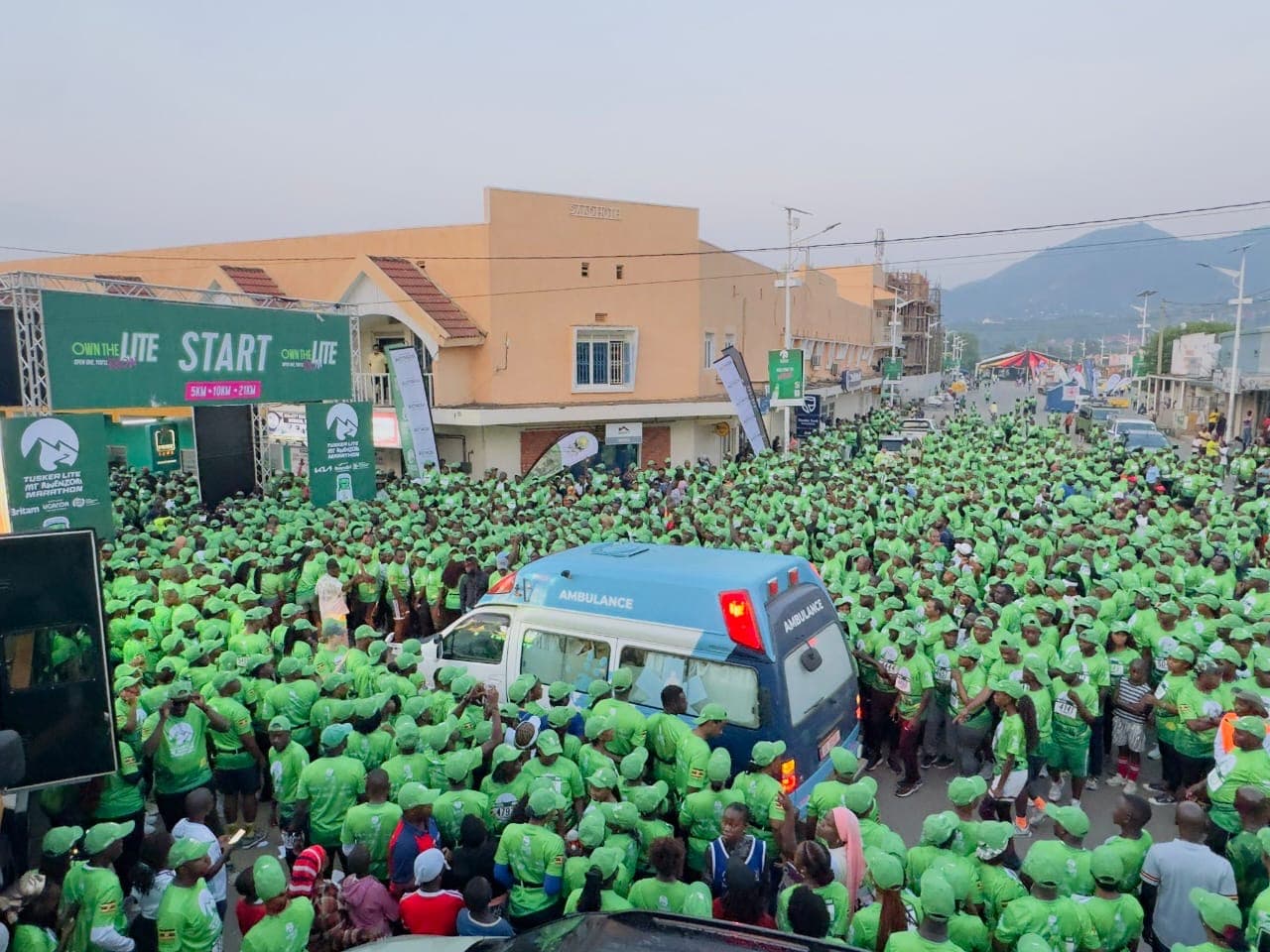
Accommodation becomes a hustle months before race day. By mid-August, there is nothing left — not a room, not a bed, not a floor. Over 20,000 people converged in and around Kasese, and the town simply does not have 20,000 beds. Runners ended up lodging in Hima, in Katunguru, and some as far out as Fort Portal, driving in before dawn.
The traffic that follows from this is beyond description. So is the atmosphere.
Book your accommodation months in advance. Not weeks. Months.
Forty-Three Countries
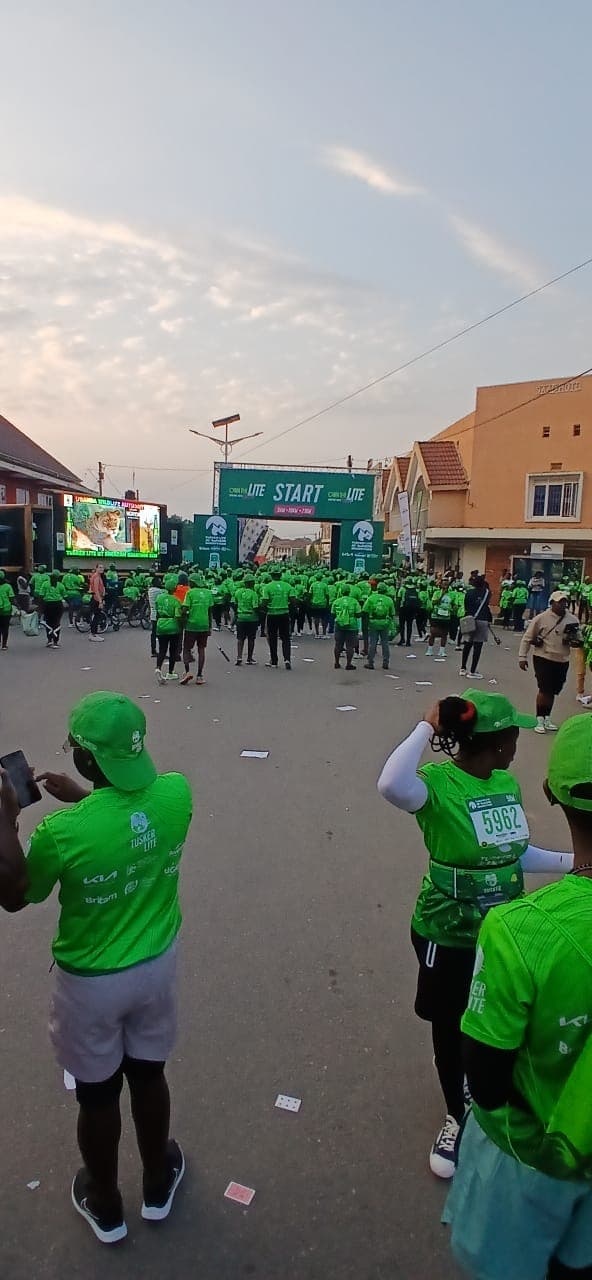
The international turnout was on an astronomical scale. Most of the visiting runners were Kenyan — no surprise, given who tends to show up when there is a marathon and a podium — but they were far from alone. In all, 43 countries raced.
That many visitors arriving at a town this size brings problems no amount of goodwill solves on the day. Kasese has a fixed number of beds, a fixed number of roads, and one weekend a year when both are asked to do several times their usual work.
Double-booking was the sharpest edge of it. Lodges let rooms to walk-ins that had been reserved months earlier, and a runner who has flown in from Nairobi only to find their room gone at nine in the evening is not much interested in whose fault it is. Nor should they be.
Over 20,000 people converged on Kasese. The town does not have 20,000 beds.
Those were the complaints that reached the organising committee, along with everything else that lands there on race weekend. It is the kind of problem that only exists because the event has worked — which is no comfort at all when it is your room.
Four Distances, Four Start Times
The race ran in four categories: 42km, 21km, 10km and 5km. Distance determined when you started.
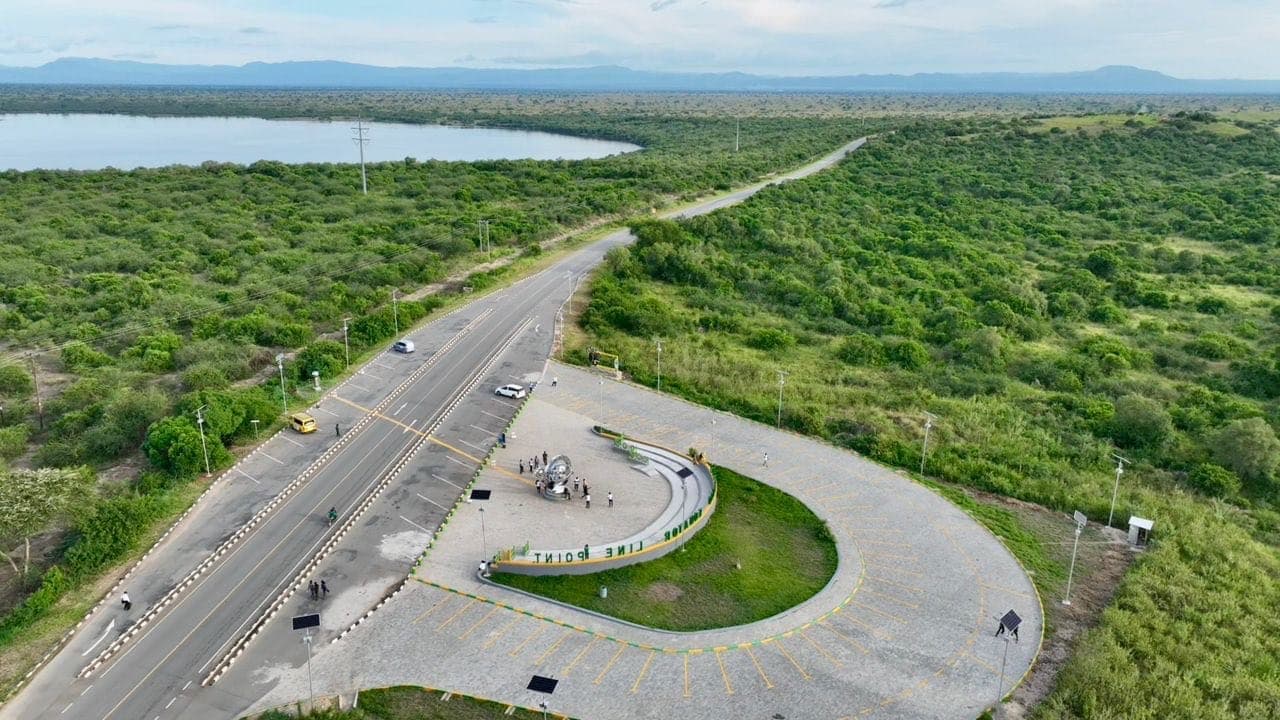
The 42km went off at four o'clock in the morning, out at Kikorongo — the Equator crossing, where a monument marks the line and the road runs dead straight through savannah toward the horizon. Starting a marathon in the dark, on the Equator, at the foot of the Rwenzori, is a particular kind of experience.
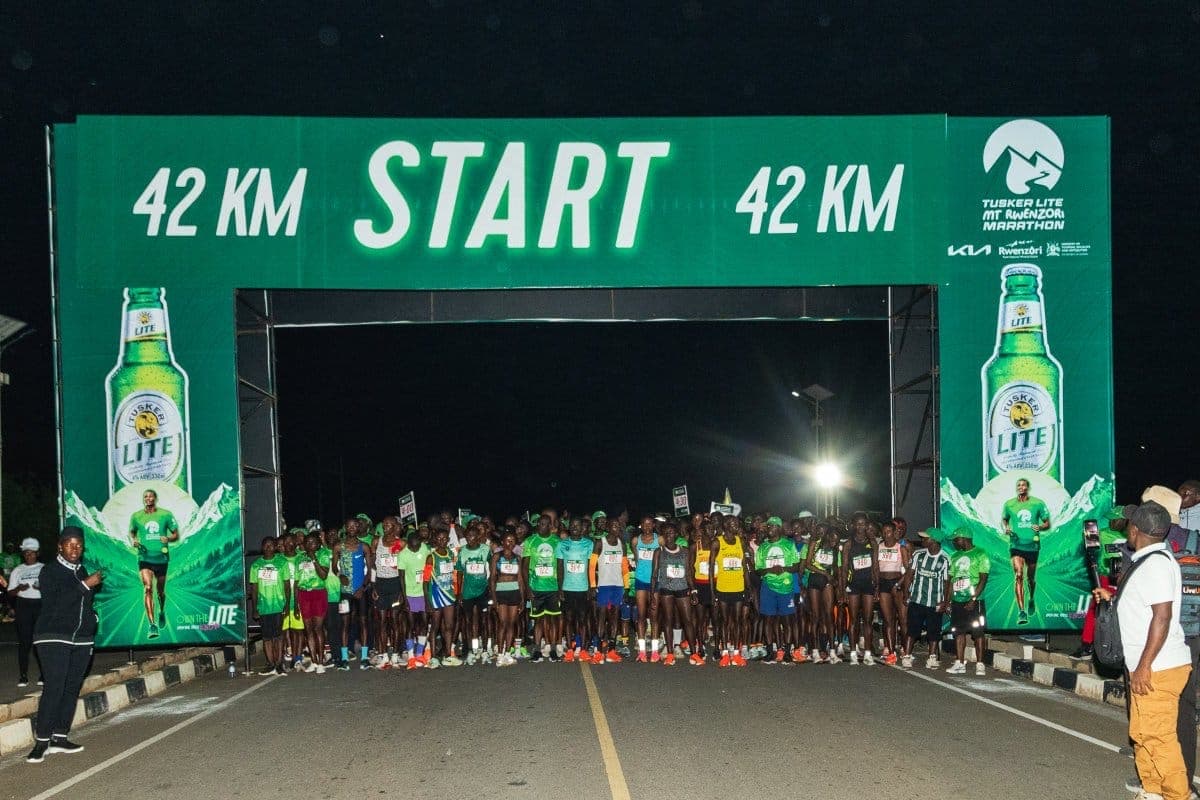
The shorter races started in town. The 21km had to run out of Kasese to make up its distance, heading up toward Kilembe and the old mining road into the mountains.
I would have run that one. I was not confident about my knees. I chose peace.
Records, and a Few Sore Feet
Records fell. Mr. Chemonges took the men's 42km in 2:13:54 — a course record for the marathon, run on a route that starts in the dark and finishes in the heat.
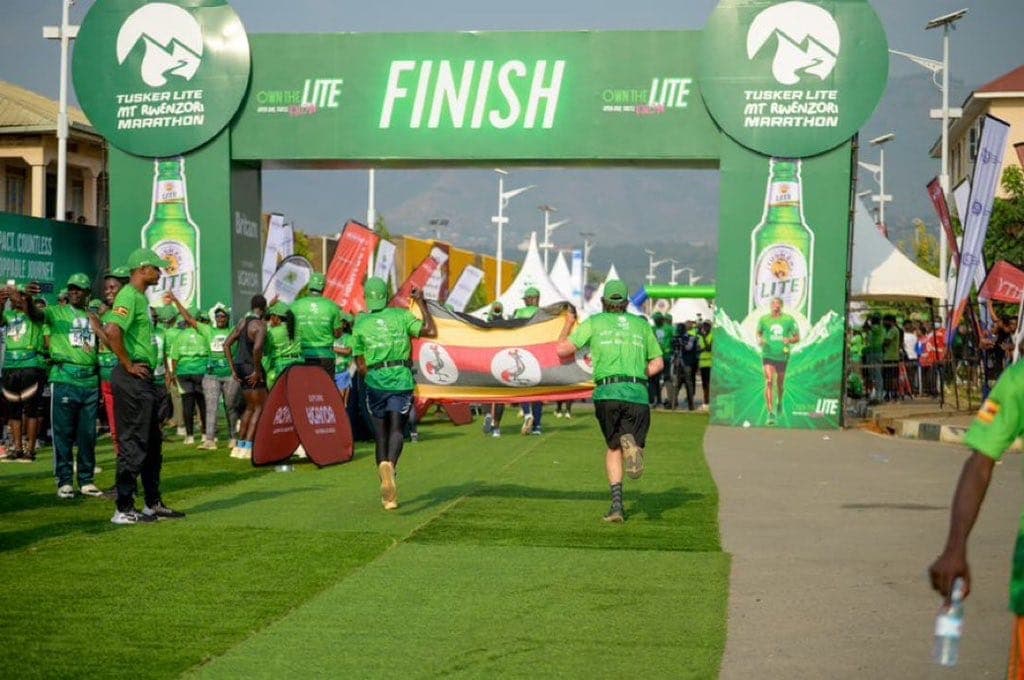
Injuries were minimal, and almost all of them came down to preparation rather than bad luck: runners whose fitness was not quite where their ambition was, and — a classic — the wrong shoes. Nothing that did not sort itself out within the week, but a cramped-up foot at kilometre 30 is a long way from funny at the time.
What to Do Differently Next Year
Four things, learned the hard way:
- Book accommodation months ahead. By mid-August there is nothing left in Kasese, and Fort Portal is a long pre-dawn drive.
- Train for the distance you actually entered. The 5km and 10km are genuinely social. The 21km and 42km are not.
- Get proper equipment. Above all, shoes you have already run in. Race day is the worst possible time to discover a new pair.
- Come ready to enjoy it. The town is full, the roads are loud, and the whole thing runs on good humour.
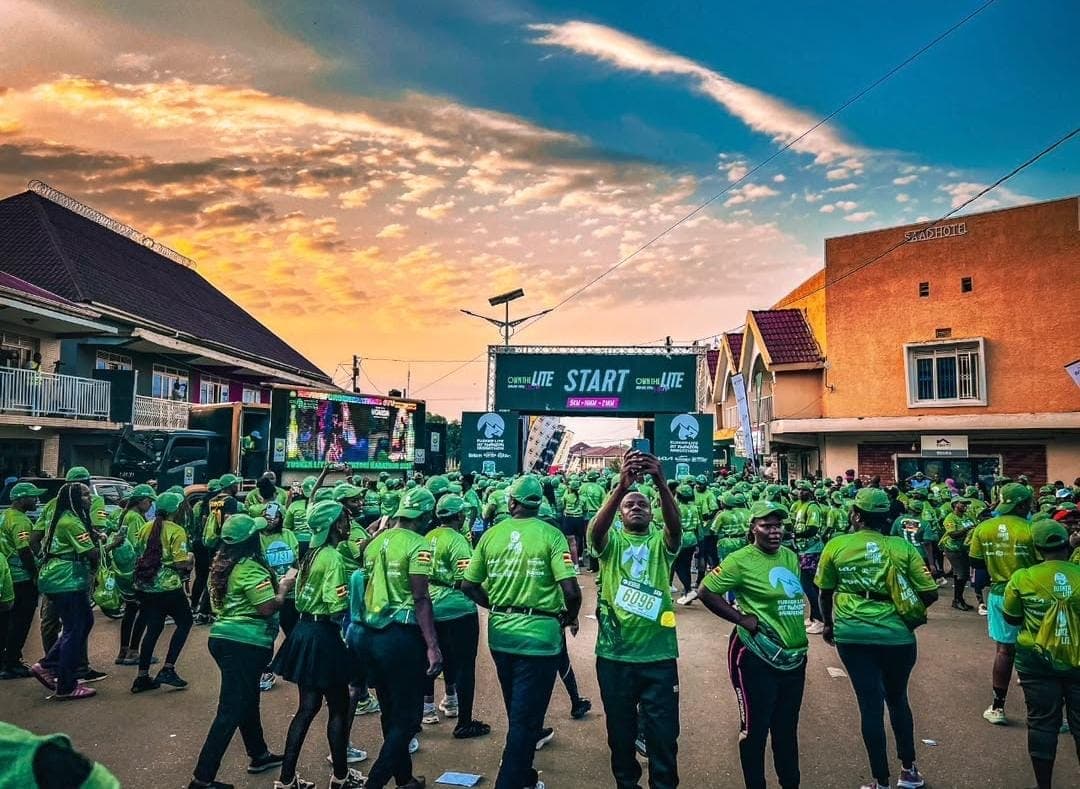
The sixth edition will come around faster than you expect, and Kasese will book out just as early. If the Rwenzori has been sitting on your list, this is a good excuse — and the mountains, the Equator, Queen Elizabeth National Park and the Kilembe trailheads are all right there, which makes the race a very easy thing to build a week around.
See you at the start line.
*— Jeremiah*
Build a week around next year's race
Kasese sits on the doorstep of Queen Elizabeth National Park, the Kikorongo Equator crossing and the Kilembe trailheads into the Rwenzori. Everbased Tours & Travel can pair your race entry with accommodation booked early and a safari either side of it — talk to us well before the town fills up.
Written by
Jeremiah
Expert travel writer and safari guide with decades of experience exploring East African wildlife and cultures.
Get in touch