He lived longer than most, fought harder than all, and left on his own terms. The true story of the Maasai Mara's most photographed lion — the Four Musketeers, the myths, and the rarest ending nature allows.
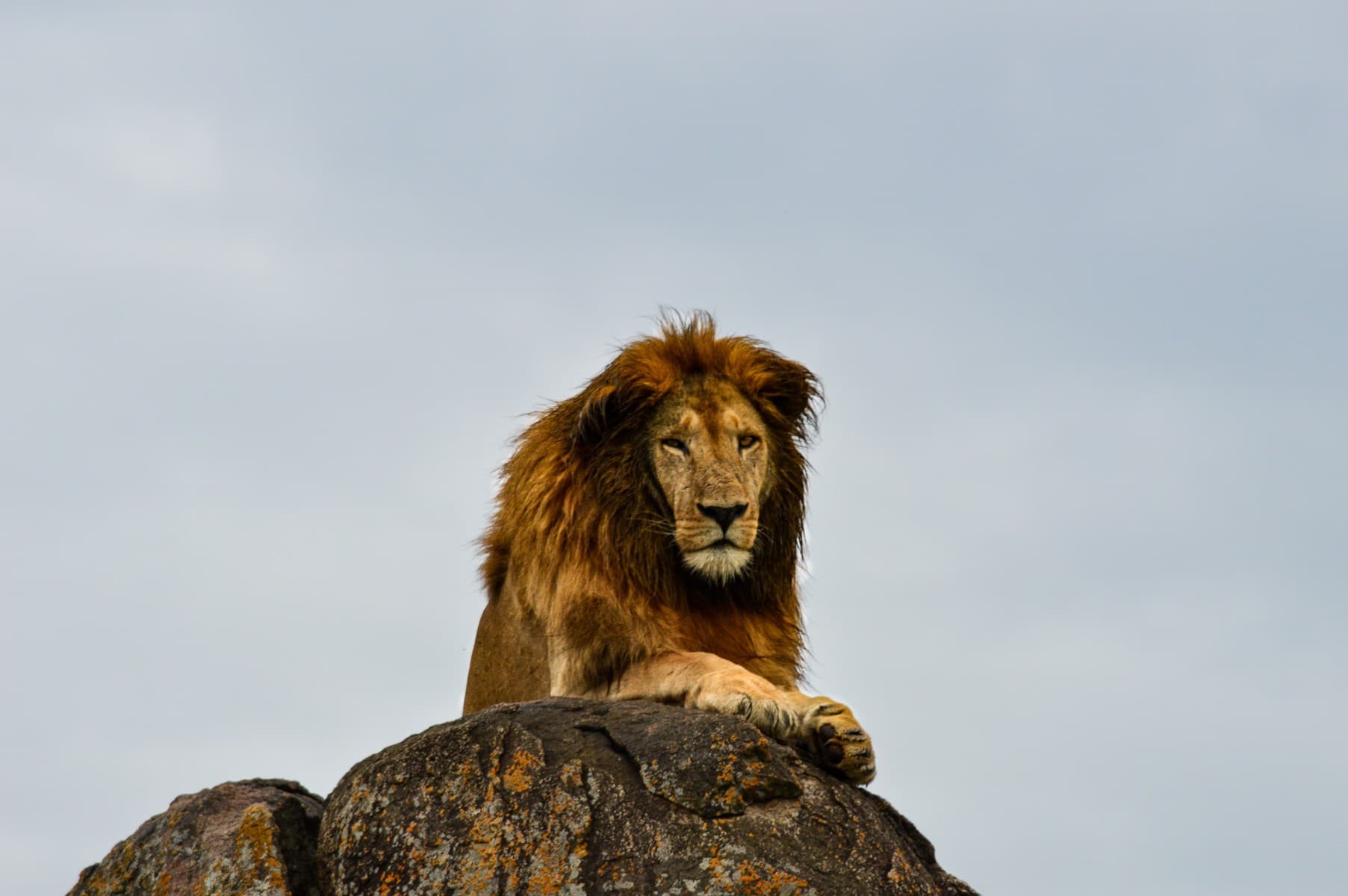
If you've spent any time watching wildlife documentaries or scrolling through safari photos, you've probably seen him. The male lion with the torn right eye and a face that looked like it had stories to tell.
His name was Scarface. And for over a decade, he ruled Kenya's Maasai Mara.
A Reign Unlike Any Other
Known for his distinctive facial scar, Scarface survived years of fierce territorial battles and lived to around 14 years old. That might not sound old to us, but for a wild male lion, it's ancient.
Here's the reality of life as a male lion: most never make it to their tenth birthday. The ones who do manage to take over a pride usually only hold it for two to four years. Then a younger, stronger coalition comes along. If you lose your territory, you don't get a retirement plan. You starve. You're killed by the new males. Or hyenas finish the job.
Scarface refused to follow that script. He held prime land in the Maasai Mara for close to a decade. When he died in June 2021, it wasn't in a fight. He was around 14, and he died of old age, lying peacefully in the grass.
That almost never happens.
The Four Musketeers
He didn't do it alone. In the wild, a male lion's survival comes down to numbers. And Scarface had the best numbers of all: three brothers — Morani, Sikio, and Hunter.
Together, they were known as the Four Musketeers.
In 2012, the four brothers took over the Marsh Pride — yes, *that* Marsh Pride, made famous by the BBC's *Big Cat Diary*. Four males working as one is about as close to unbeatable as it gets in the Mara. It let them control a huge stretch of territory along the Mara River and see off every young challenger who thought they could take it.
That's where the scar came from. He tore up his right eye in one of those territorial fights. It never healed properly. It would split open again, and vets sometimes had to treat it to keep infection away. But that scar is also what made him famous. Guides could spot him from across the plain. Tourists came from all over the world just for a photo of him. He became one of the most photographed lions on the planet.
Separating Legend from Truth
In his final days, Scarface walked more than 15 miles — heading back to the corner of the Mara where he was born.
With fame comes myth. You've likely seen the viral posts: *"400 hyenas killed. 130 rival lions defeated. Never lost a fight."*
The rangers and researchers who tracked Scarface for years say none of that is documented. He was a tough, dominant fighter, no doubt. But the huge kill counts? Made up after he went viral online. He was a fighter, not a killer.
The truth is impressive enough. He held land, protected his pride, and outlasted almost every other male of his generation.
The Quiet Ending
By the end, the brotherhood was gone. Two of his brothers had died. The coalition that made them strong had broken apart.
His last months were hard. He was mostly alone now. Thin. Limping on old wounds. Slowly losing the ground he'd held for so long.
But then he did something that still gives me chills to think about. In his final days, Scarface walked more than 15 miles. He was heading back to the corner of the Mara where he was born.
Photographers watched as three young males came near him at the end. They didn't attack. They kept their distance and let the old king lie down. He died there, quiet and undisturbed, in the place his story started.
Why Scarface Mattered
A wild male lion dying peacefully of old age is one of the rarest endings nature allows. Almost none of them get it. Scarface did.
For 14 years, he showed us what endurance looks like. His scar was a map of every battle he survived. His long reign was proof of loyalty, strategy, and sheer stubbornness.
He wasn't just a lion. To guides, tourists, and everyone who followed his story, Scarface became a symbol. Of resilience. Of family. Of leaving with dignity.
When he finally lay down for the last time, he didn't just leave footprints in the Mara dust. He left a standard for what it means to rule — and to let go.
Rest easy, Scarface. The Mara won't forget you.
See the Mara for yourself
The Maasai Mara's big cats are at their most visible between July and October, when the migration herds arrive. Everbased Tours & Travel runs guided Kenya safaris built around big-cat viewing — get in touch for a tailored quote.
Written by
Everbased Tours Team
Expert travel writer and safari guide with decades of experience exploring East African wildlife and cultures.
Get in touch